
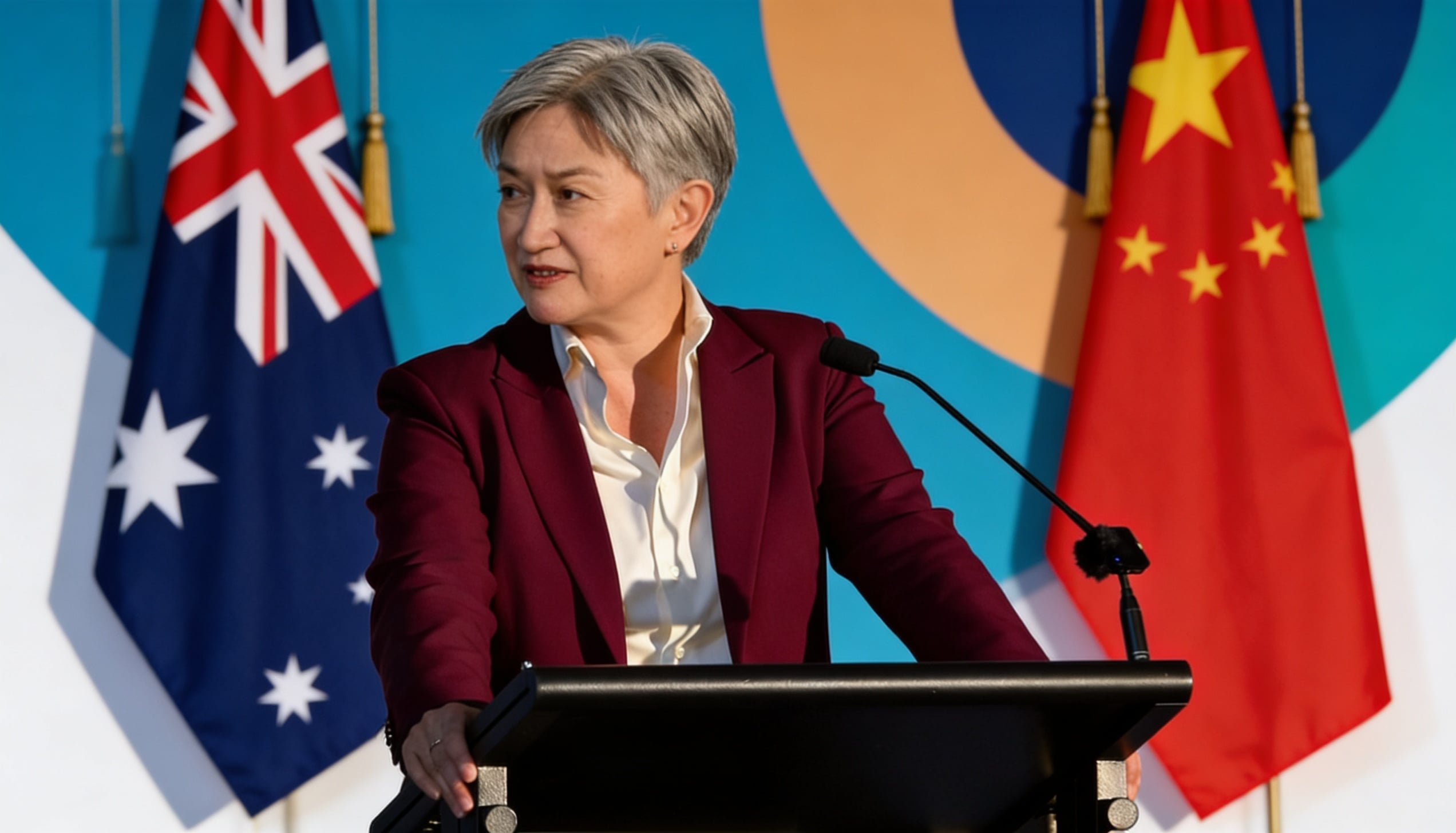

In a strategic bid to fortify national fuel reserves, Foreign Minister Penny Wong recently secured a diplomatic breakthrough during high-level Beijing talks - after the escalating Middle East conflict paralysed the Strait of Hormuz, plunging Australia into a precarious energy crisis.
Following a pivotal dialogue with Chinese Foreign Minister Wang Yi, Beijing has signalled its intent to reopen trade channels, green-lighting state-owned oil enterprises to initiate negotiations with Australian firms regarding essential jet fuel supplies.
This shift marks a significant pivot in regional dynamics.
China, the largest refiner in the area, had previously restricted petroleum exports to prioritize its own domestic stability as the global supply chain tightened.
Minister Wong framed the restoration of these flows as a matter of mutual economic necessity, highlighting that Australian exports - specifically iron ore, LNG, and agricultural products - are dependent on the very liquid fuels and fertilizers that China provides.
Without these inputs, the commodity cycle that fuels China’s industrial sector faces its own risks.
While Wong characterized the move as an "important first step," she maintained a realistic outlook, noting that specific volumes and delivery schedules remain under negotiation.
The Albanese government is concurrently diversifying its strategy by underwriting commercial risk for domestic importers and seeking additional diesel shipments from partners like South Korea and Malaysia.
As Australia grapples with some of the lowest refined fuel stockpiles in the developed world, this diplomatic thaw with Beijing offers a vital, if preliminary, lifeline for the nation’s transport and resources sectors.