
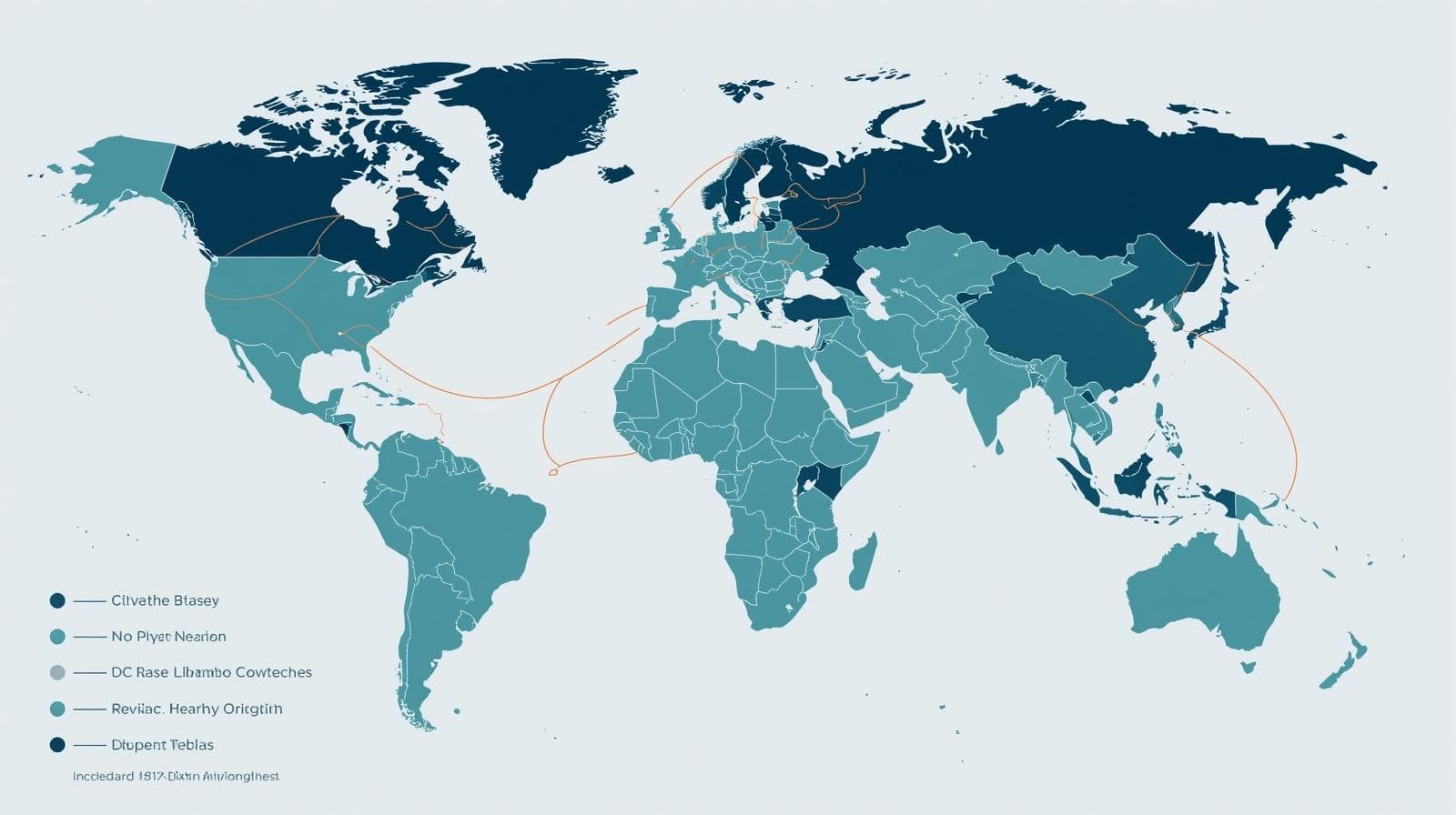
PwC says crypto adoption is emerging unevenly across regions

PricewaterhouseCoopers said crypto adoption is progressing at different speeds globally, creating a fragmented ecosystem shaped by local conditions.
“While crypto networks are borderless, adoption is not,”
PwC said.
“Payments, remittances, savings, capital markets, and tokenisation use cases are emerging unevenly across regions,”
The firm added.
PwC said economic conditions, financial inclusion, and existing infrastructure continue to influence how crypto is used in different markets.
The report noted accelerating crypto adoption in the United States following a more supportive regulatory stance under President Donald Trump.
PwC said institutional interest in crypto has passed “the point of reversibility” as firms integrate digital assets into core operations.
“Banks, asset managers, payment providers, and large corporates are embedding digital assets into core infrastructure, balance sheets, and operating models,”
PwC said.
“This is no longer optional or peripheral,”
The firm added.
Some analysts warned that future political shifts could impact institutional sentiment despite recent regulatory momentum.
CryptoQuant CEO Ki Young Ju said institutions have accumulated roughly 577,000 Bitcoin over the past year.
“Institutional demand for Bitcoin remains strong,”
Ki Young Ju said.
PwC said institutional participation is reshaping crypto market norms around governance, scale, and accountability.
Macro researcher Luke Gromen said institutions are unlikely to drive Bitcoin to new highs without a major market catalyst.
“If you’re counting on institutional investors to run it from you know 90 to you know 150, if that’s your plan, that’s probably not going to happen without some major catalyst,”
Gromen said.
At the time of reporting, Bitcoin price was $89,401.28.