
Economy
US imposes 12.5% tariff on Australia
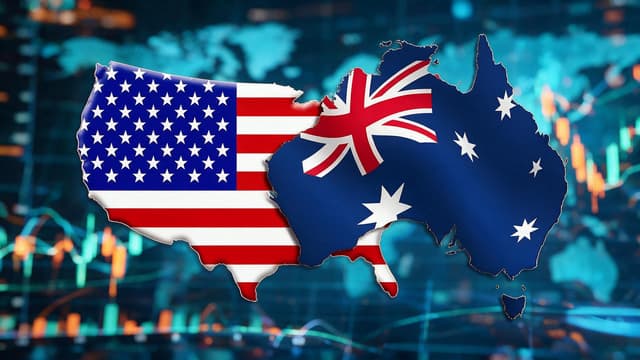
The US administration has imposed a 12.5% import tariff on Australian products following a Section 301 trade investigation.
The US administration has imposed a 12.5% import tariff on Australian products following a Section 301 trade investigation.
JD Vance has flown into Switzerland to join Donald Trump’s envoys in 60‑day roadmap talks with Iran, after Pakistan and Qatar said negotiations were making “positive progress” on nukes and sanctions.
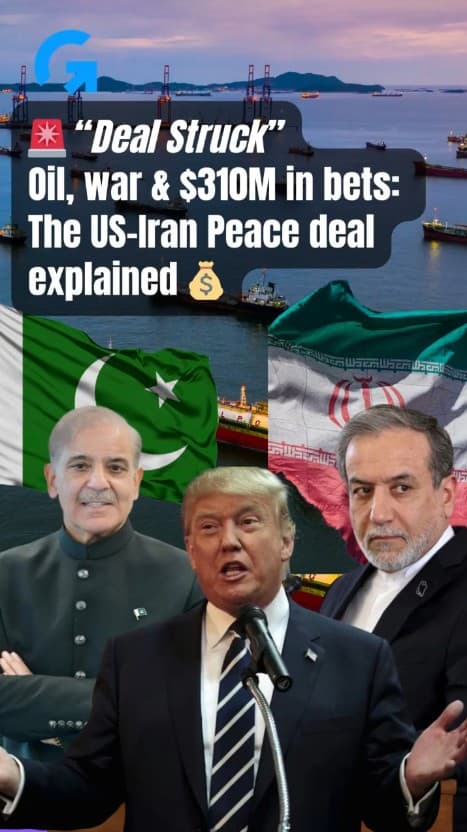
A US–Iran peace agreement to halt nearly four months of fighting, including in Lebanon, sent oil lower and global stocks higher as markets priced in a planned Friday signing.
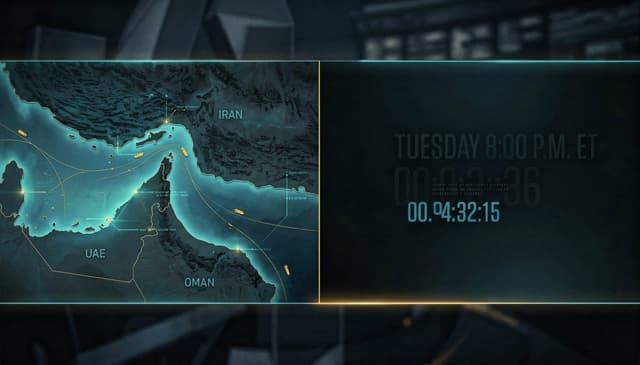
Global financial markets entered a state of high-alert Monday morning as President Donald Trump issued a final, televised ultimatum to Tehran, threatening the total destruction of Iran’s industrial infrastructure if the Strait of Hormuz is not reopened by Tuesday evening.
U.S. hiring rebounded more sharply than anticipated in March as the return of striking healthcare workers and seasonal warming bolstered payrolls, providing a temporary reprieve for a labor market increasingly clouded by Middle East conflict and trade volatility.
Global energy markets are reeling as oil tracks toward its most significant weekly gain in four years, fuelled by escalating conflict in the Middle East.
The U.S. government has begun denying requests from companies seeking refunds for billions of dollars in illegal tariffs, despite a landmark Supreme Court ruling that struck down the levies last month.
Global oil prices held steady on March 3 as energy markets braced for an intensification of conflict in the Middle East.
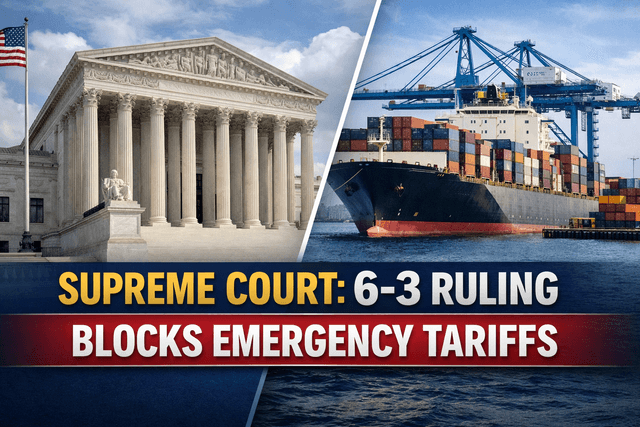
U.S. Customs and Border Protection (CBP) will officially stop collecting billions in trade duties at 12:01 a.m. EST on Tuesday, following a landmark Supreme Court ruling that declared President Donald Trump’s use of emergency powers to levy tariffs illegal.
The U.S. Supreme Court delivered a historic blow to President Donald Trump’s economic agenda Friday, ruling 6-3 that the administration overstepped its constitutional authority by using a national emergency statute to impose sweeping global tariffs.